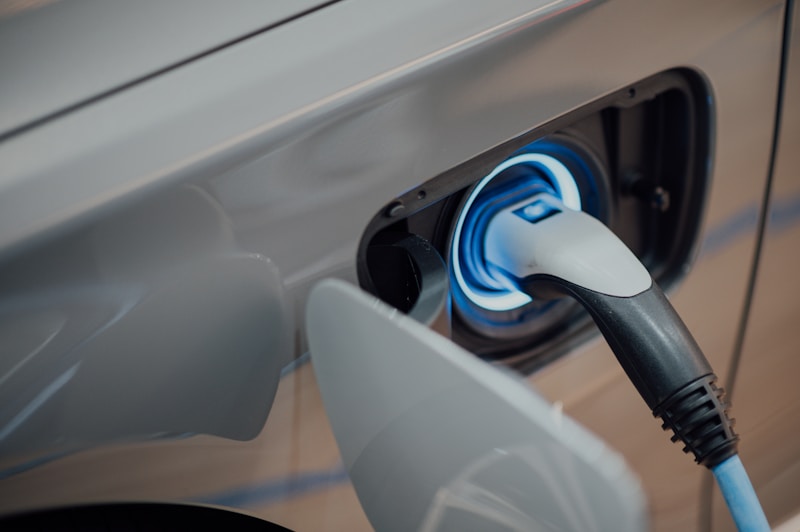
How you charge your EV significantly impacts battery life. Following best practices can extend your battery's lifespan by years and maintain better range over time.
Understanding Battery Degradation
What Causes Battery Wear
Degradation Timeline
Best Charging Practices
1. The 20-80 Rule
Recommendation: Keep battery between 20% and 80% for daily use
Why It Works:
When to Ignore: Long trips requiring full range
2. Avoid Frequent DC Fast Charging
Recommendation: Limit fast charging to 1-2 times per week
Why It Works:
Alternative: Use home AC charging overnight
3. Don't Leave at 100% for Extended Periods
Recommendation: Charge to 100% only when needed for long trips
Why It Works:
Best Practice: Set charge limit to 80% for daily use
4. Precondition Before Charging
Recommendation: Use app to precondition battery before DC charging
Why It Works:
Most EVs: Have preconditioning features
5. Avoid Charging in Extreme Heat
Recommendation: Park in shade or wait for cooler hours
Why It Works:
Best Practice: Charge during cooler night hours in summer
Charging Myths Debunked
Myth 1: "You should fully discharge before charging"
Truth: This was for older battery types. Lithium batteries prefer partial cycles.Myth 2: "Always charge to 100% for battery calibration"
Truth: Modern BMS handles calibration automatically. Occasional 100% is fine, not necessary.Myth 3: "Fast charging is always bad"
Truth: Occasional fast charging is fine. It's frequent fast charging that accelerates wear.Myth 4: "New batteries need special break-in"
Truth: Modern batteries don't require break-in. Use normally from day one.Fleet-Specific Recommendations
For commercial fleets:
Battwheels Garages can help you set up optimal charging protocols for your fleet and monitor battery health over time.